
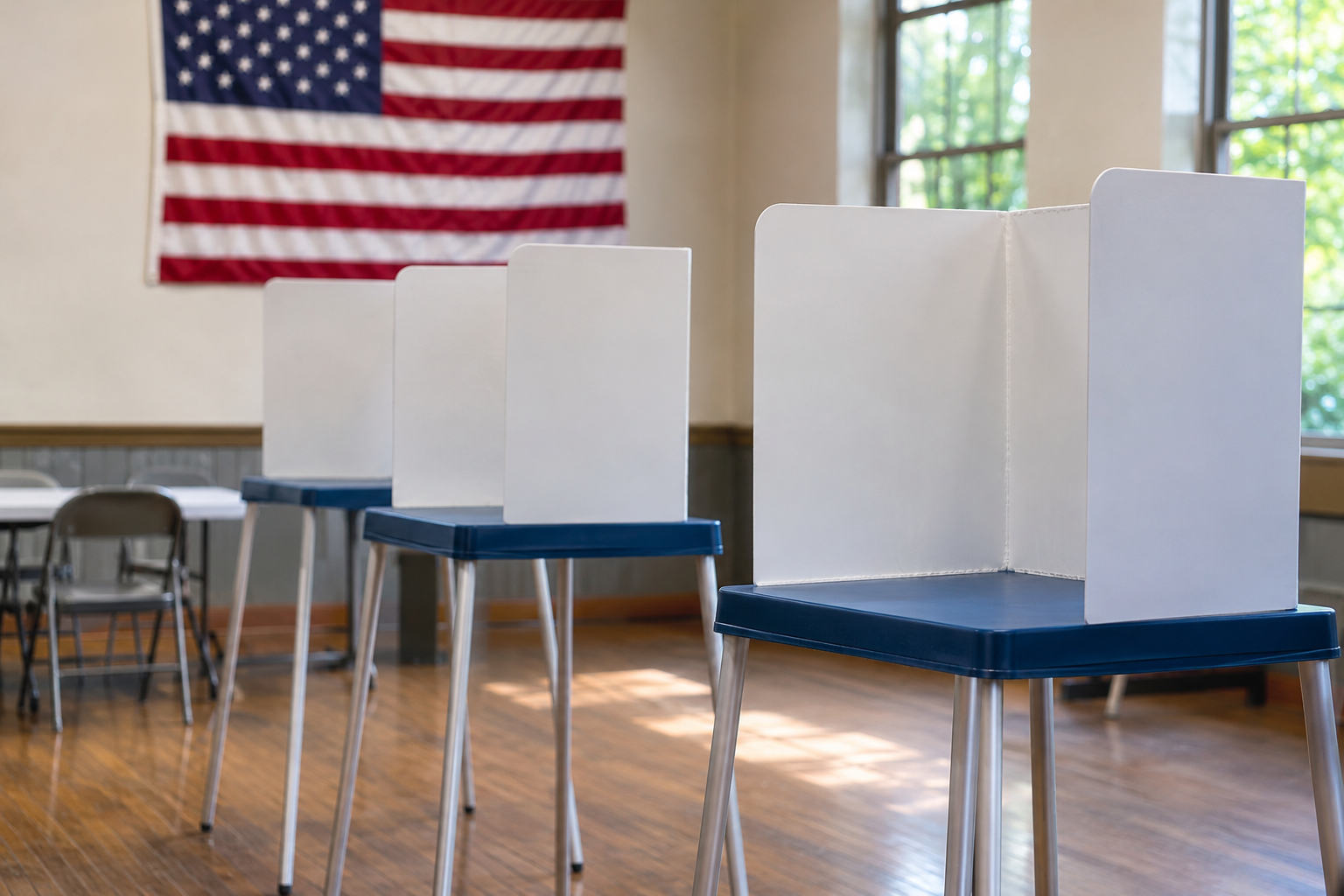
USCIS updates published on October 22, 2026, highlight unlawful-voting charges involving noncitizens in Missouri and Idaho. These are enforcement announcements, not a new immigration benefit or a change to employment-based petition requirements. They offer an important reminder: lawful permanent residence and U.S. citizenship are different statuses.
What USCIS announced
In Missouri, USCIS reported that a South African national who obtained lawful permanent resident status in 2021 was charged with unlawful voting in the November 2024 federal election. The agency said it assisted the investigation. Its announcement states that lawful permanent residents cannot vote in federal elections or in Missouri state and local elections.
A separate release describes charges against two Canadian nationals living in eastern Idaho, each accused of voting in the 2022 general election despite not being a U.S. citizen.
The allegations are not convictions. USCIS expressly notes the presumption of innocence in the Idaho cases and explains that the Missouri complaint is an accusation, not evidence of guilt. The releases describe potential maximum penalties; they do not report that those penalties have been imposed.
Who should pay attention
The distinction matters to permanent residents and other noncitizens who encounter voter-registration materials. A green card does not establish U.S. citizenship or eligibility to vote in a federal election. The Missouri announcement also addresses that state's rules; readers should not treat its state-and-local statement as a description of every jurisdiction.
There is no new effective date or filing deadline in these releases. They report individual criminal cases and do not announce revised EB-1, EB-2 NIW, I-140, or I-485 eligibility standards.
Practical next steps
Before registering or voting, confirm the applicable eligibility requirements with the relevant official election authority. If you are unsure about your citizenship status, previous registration, or voting history, seek individualized guidance from a qualified immigration attorney rather than assuming a general article resolves your situation.
For accessible explanations of immigration processes and future USCIS announcements, visit Immigration Horizons. This article provides general information, not individualized legal advice.
Sources (October 22, 2026): USCIS Missouri announcement · USCIS Idaho announcement